

If you work in wraparound or out of school care, you will probably recognise this feeling. You know the value of what you do, but it is not always clear how that fits into Ofsted language or the inspection framework.
Because wraparound sits around the school day rather than inside it, inspection can sometimes feel unclear or uncomfortable, as though you are trying to translate your work into someone else’s system.
Over the past few months, I have been directly involved in two Ofsted inspections across our wraparound provisions. I am still very hands on in the day to day running of all of our settings, so what I am sharing here is not theory or second-hand advice. It is based on real inspections, real conversations, and what genuinely mattered on the ground.
I wanted to share a few reflections, not as a checklist or a guide, but as reassurance. Wraparound care plays a vital role for children, families and schools, and our sector deserves to feel confident, supported and properly understood when inspection comes around.
It Started with a Conversation
Both inspections began in the same way, with an early morning phone call followed by a short planning call later that day. That planning call set the tone for everything that followed.
The inspector was not trying to catch anyone out. They were trying to understand the setting. Who the provision is for, how it fits around the school day, and how it works in practice.
We talked about our ethos, the children who attend, staffing and qualifications, how we work alongside the host school, and any special educational needs or complexities. Nothing over rehearsed. Just clear, honest conversations.
Accuracy Mattered More Than Presentation
We were asked to complete a data collection sheet covering staffing, numbers and special educational needs. What became clear, very quickly, was that inspectors were not interested in beautifully presented paperwork. They wanted information to match reality.
Registers, routines, staffing and everyday practice all needed to line up with what we had shared. When that accuracy is already embedded, this part feels far less stressful, because you are not trying to remember an inspection version of your provision that does not really exist.
What Inspectors Focused On
On the day itself, the focus was very much on what it feels like to be a child in the setting. Inspectors spent time watching how children were collected from classrooms, how transitions were managed, how staff were deployed and supervised, and how the environment supported play and wellbeing.
They looked closely at how individual needs were met and whether activities had a clear purpose. Policies were referenced in relation to practice. What mattered was that what we said matched what inspectors could see happening.
Leadership Was Not About Being Perfect
Leadership came up frequently, but not in a negative or intimidating way. Inspectors wanted to understand how leaders know what is working well, how they identify areas for improvement and how decisions are reviewed over time.
One point that really stayed with me was this. Being honest about areas for development was not seen as a weakness. It showed reflection, self-awareness and confidence.
Staff Confidence Made a Big Difference
Staff were spoken to naturally throughout the afternoon. They were asked about safeguarding, behaviour, supervision, meeting individual needs and how supported they felt in their role
What mattered was not scripted answers. It was staff feeling comfortable, confident and clear about routines and expectations. That confidence comes from consistent leadership, communication and support every day, not from last minute inspection preparation
Safeguarding Ran Through Everything
Safeguarding was not treated as a separate section of the inspection. It ran through the whole visit.
There was a clear focus on how unexplained absences are followed up, how concerns are recorded and escalated, staff confidence with whistleblowing and how well safeguarding processes align with the school. Safeguarding was judged through actions, not just policies.
“Wraparound care plays a vital role for children and families, and our sector deserves to feel supported, not scared, when inspection comes around”
My Biggest Takeaway
The biggest lesson from both inspections was simple. Ofsted is not looking for a polished inspection ready version of your setting. They want to see how your provision runs on a normal day, with clear routines, confident staff, honest leadership and children at the centre of everything.
I am sharing this because wraparound care matters. When we get it right, we are not just meeting expectations. We are giving children safe, nurturing spaces beyond the school day and supporting families in a meaningful way.
If you are feeling anxious about Ofsted, my biggest takeaway would be this. Know your setting. Support your staff. Be honest about where you are. Trust the quality you are building every single day.
If you would like to talk through your Ofsted preparation with someone who understands wraparound care, Kickstart is here to support you. Get in touch today.
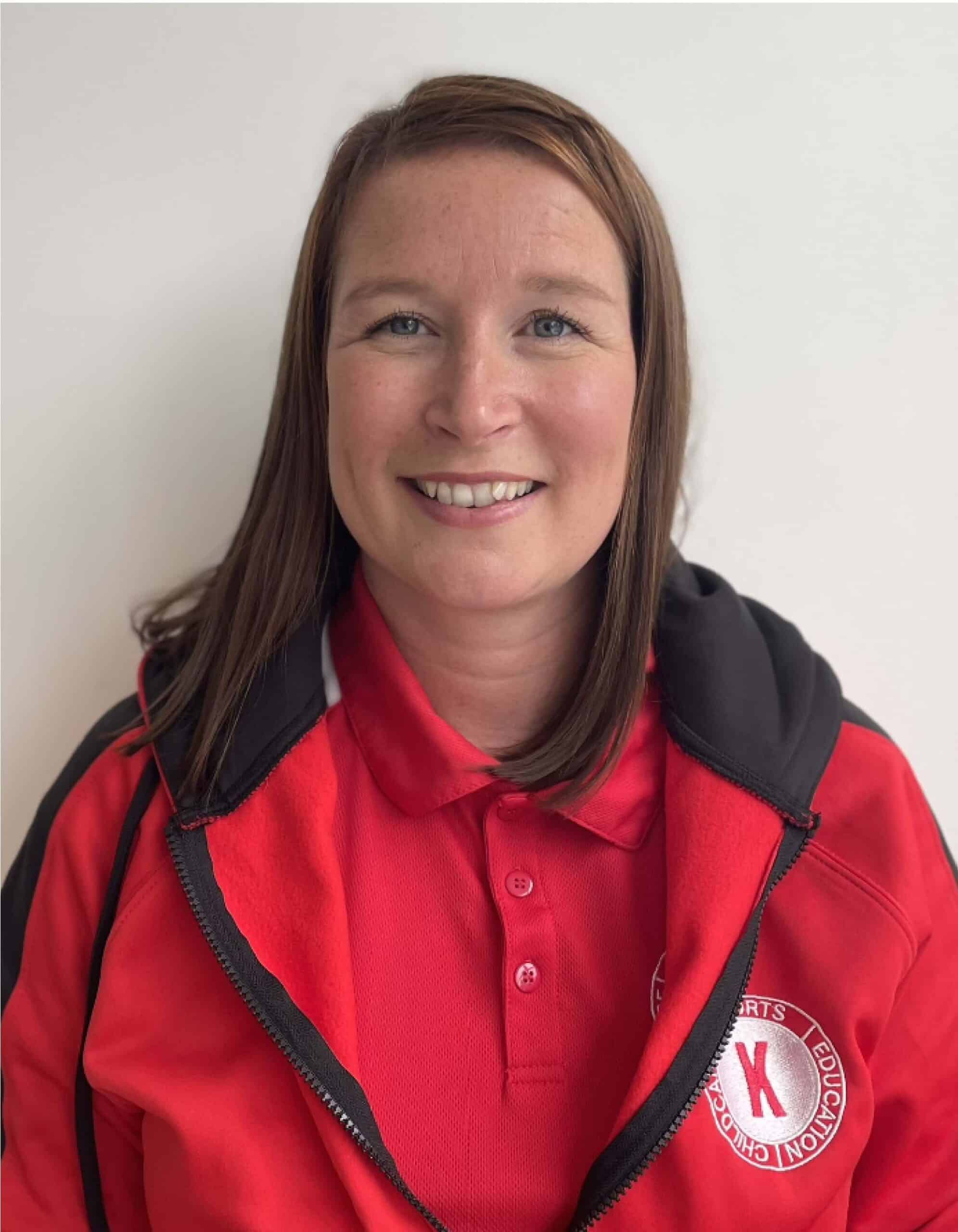
Rebecca Johnson
Rebecca is the Managing Director of Childcare at Kickstart and has spent most of her career in wraparound care. Rebecca cares deeply about quality, inclusion and supporting staff to give children safe, meaningful, and positive experiences every day.